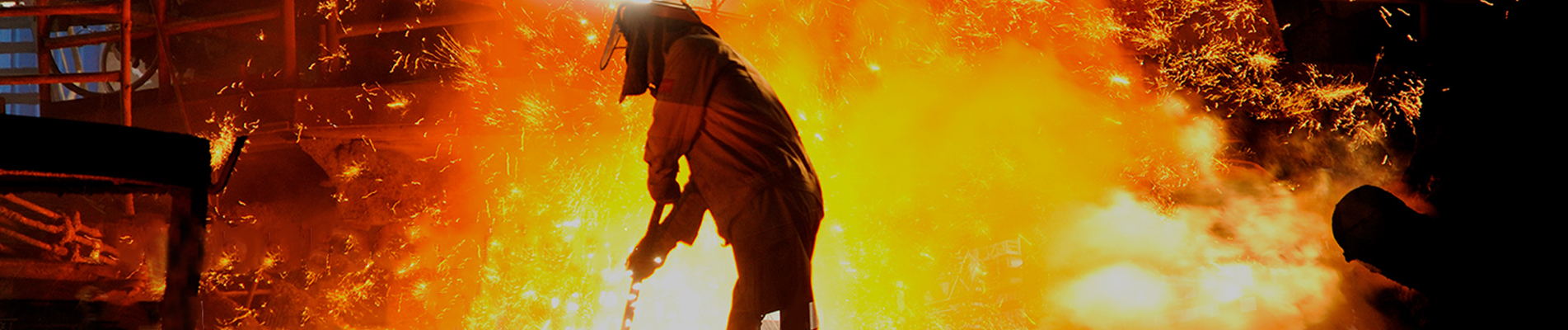
Aşırı ısı için bir kaynak battaniyesi seçmek, yalnızca sıcaklık değeri en yüksek malzemeyi seçmekten ibaret değildir.
Bir kaynak işleminin altında konumlandırılan battaniye, bir kesim istasyonunun yanında dikey olarak asılı duran battaniyeden farklı bir termal yüke maruz kalır. Işınım ısısına maruz kalan koruyucu bir örtü, yoğunlaşmış kaynak sıçrantısı alan bir battaniyeden farklı davranır. Kalınlık, ısı akısı, maruz kalma süresi, battaniyenin yönelimi ve mekanik kullanım, elyafın kendisi kadar önemli olabilir.
Zorlu sıcak çalışma koruması için sıklıkla değerlendirilen iki malzeme karbon keçe ve silika kumaştır.
BSTFLEX hem Karbon Elyaf Keçe Kaynak Battaniyeleri hem de Silika Kumaş Kaynak Battaniyeleri üretir; böylece her uygulama için tek bir battaniye yapısı kullanmak yerine malzeme gerçek termal tehlikeye göre seçilebilir.
Peki aşırı ısı için hangisi daha iyi?
Cevap, battaniyenin ne tür bir ısıyı yönetmesi gerektiğine bağlıdır.
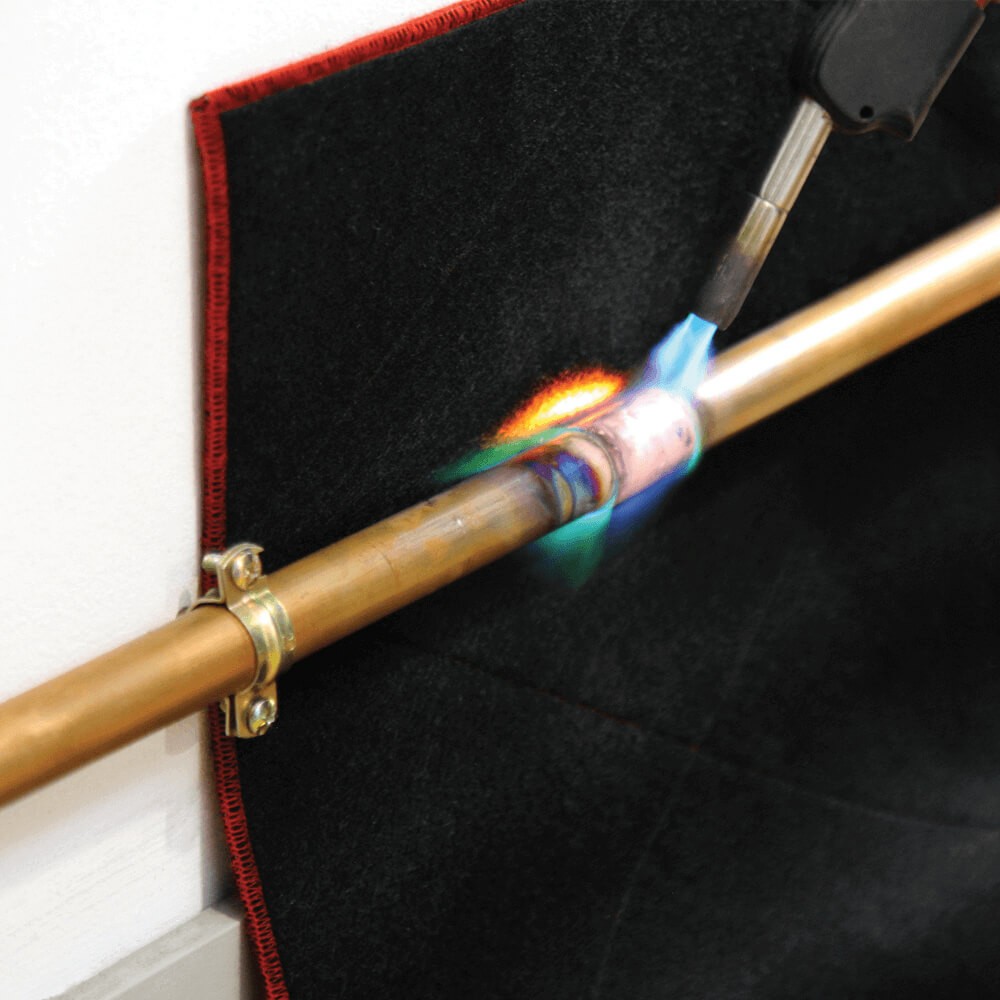
Bu malzemeler arasındaki en önemli fark yapılarıyla başlar.
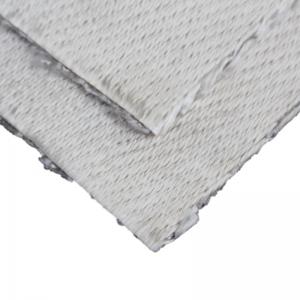
Bir karbon keçe kaynak battaniyesi yumuşak, gözenekli bir elyaf ağı kullanır. Geleneksel bir dokuma kumaş oluşturmak yerine, elyaflar çok sayıda mikroskobik hava boşluğu içeren düşük yoğunluklu bir keçe yapısı oluşturur.
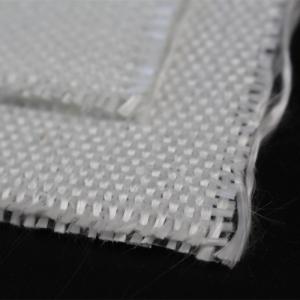
Buna karşılık bir silika kaynak battaniyesi normalde dokuma silika ipliğinden üretilir. Birbirine geçen iplik yapısı, iyi boyutsal kararlılığa sahip, nispeten yoğun bir tekstil yüzeyi oluşturur.
Bu yapısal fark, iki malzemenin gerçek endüstriyel kullanımda nasıl davrandığını değiştirir.
Karbon keçe, bir bileşenin çevresinde veya bir ısı kaynağı ile ısıya duyarlı bir yüzey arasında hafif bir yalıtım katmanı oluşturmanın amaçlandığı durumlarda özellikle kullanışlıdır.
Silika kumaş, battaniyenin yüksek sıcaklık direncini dokuma bir endüstriyel tekstilden beklenen mekanik özelliklerle birleştirmesi gerektiğinde özellikle cazip hale gelir.
Bu ayrım, bir mühendisin yalnızca hangi malzemenin daha yüksek maksimum sıcaklığa sahip olduğunu sormasından daha faydalıdır.
| Seçim Faktörü | Karbon Keçe Kaynak Battaniyesi | Silika Kaynak Battaniyesi |
|---|---|---|
| Temel yapı | Dokumasız karbonlaştırılmış elyaf keçe | Dokuma silika tekstili |
| Termal yalıtım | Mükemmel | Çok iyi |
| Uyum sağlama kabiliyeti | Mükemmel | İyi |
| Yüzey yapısı | Yumuşak ve gözenekli | Dokuma ve nispeten yoğun |
| Ağırlık | Genellikle hafif | Kumaş ağırlığına ve yapısına bağlıdır |
| Düzensiz parçaların etrafında kullanım | Mükemmel | İyi |
| Kıvılcım ve kaynak koruması | Uygun | Uygun |
| Tekrarlanan mekanik kullanım | Uygulamaya bağlı | Dokuma yapı avantajlı olabilir |
| Aşırı ısı uygulamaları | Doğru şekilde seçildiğinde mükemmel | Doğru şekilde seçildiğinde mükemmel |
| En iyi seçim temeli | Yalıtım ve şekle uyum sağlama | Isı direnci ve tekstil dayanıklılığı |
Bu nedenle evrensel bir kazanan yoktur.
Doğru malzeme, ısının battaniyeye ulaşma şekline ve kullanım sırasında battaniyeye ne olduğuna bağlıdır.
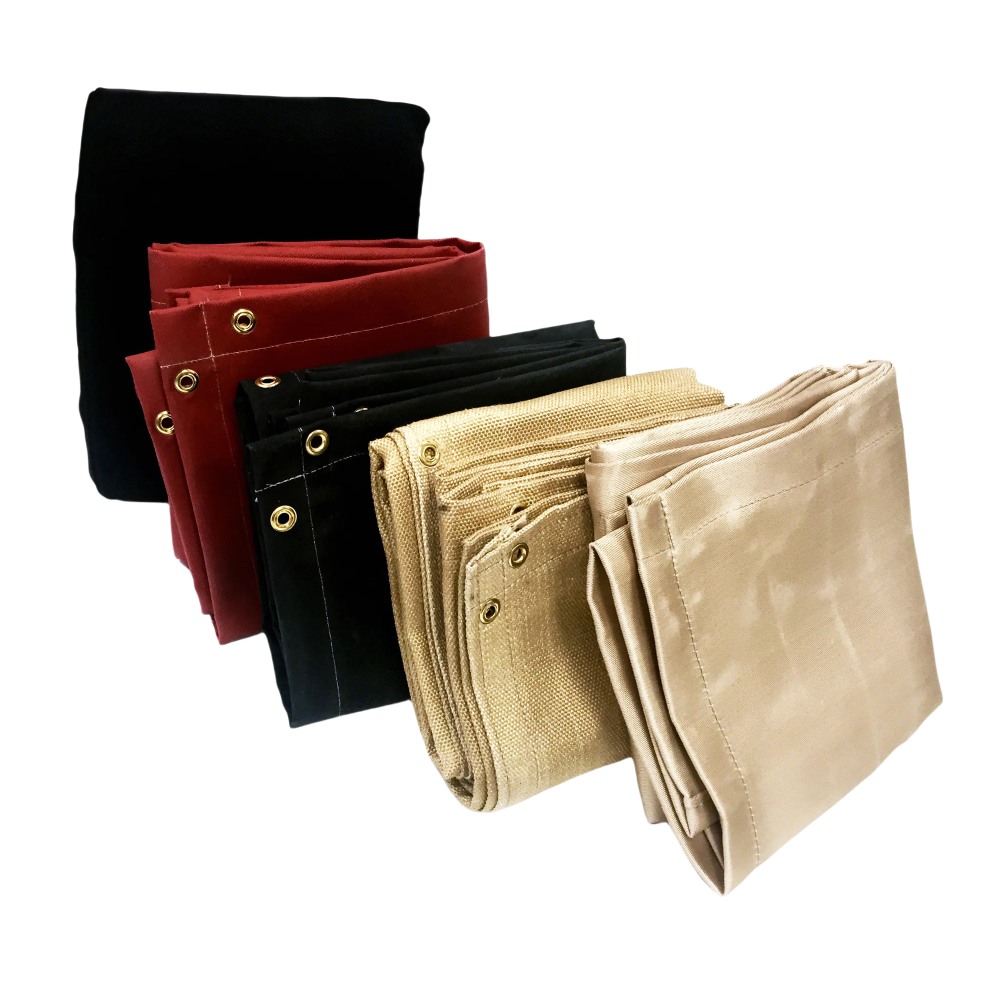
Bir karbon keçe kaynak battaniyesi termal yalıtım ve esnekliğin öncelikli olduğu durumlarda özellikle kullanışlı hale gelir.
Lifli keçe yapısı; nispeten sert bir dokuma malzemenin doğal olarak uyum sağlayamayabileceği borular, makineler, imal edilmiş montajlar ve diğer düzensiz geometrilere yakın şekilde uyum sağlayabilir.
Şunların yanında gerçekleştirilen bakım kaynağını düşünün:
elektrik kabloları
hidrolik hortumlar
boyanmış makineler
elektronik montajlar
bitmiş metal yüzeyler
polimer bileşenler
araç parçaları
Amaç büyük miktarlarda erimiş metali yakalamak olmayabilir. Bunun yerine mühendis, öncelikle korunan bileşene ulaşan ısı miktarını azaltmaya ihtiyaç duyabilir.
Karbon keçenin yalıtım özelliği özellikle burada değerli hale gelir.
Endüstriyel kaynak işlemleri her zaman düz bir atölye zemininde gerçekleşmez.
Bakım ekipleri sıklıkla şu alanların çevresinde çalışır:
egzoz sistemleri
boru bağlantıları
vanalar
makine şaseleri
araç montajları
yapısal bağlantılar
dar ekipman bölmeleri
Esnek bir karbon fiber keçe battaniye bu şekilleri takip edebilir ve korunması gereken bileşene yakın bir termal bariyer oluşturabilir.
Büyük koruyucu battaniyelerin bakım sırasında konumlandırılması, çıkarılması ve yeniden konumlandırılması zorlaşabilir.
Karbon keçe, özellikle personelin koruma malzemelerini çalışma alanı içinde tekrar tekrar taşıdığı durumlarda, düşük ağırlık ve termal yalıtımın çekici bir kombinasyonunu sunar.
BSTFLEX'in Karbon Fiber Keçe Kaynak Battaniyesi zorlu sıcak çalışma koruması için tasarlanmıştır ve 1800°F / 980°C'ye kadar belirtilen kullanım sıcaklığına sahiptir.
Silika kumaş bu probleme farklı bir şekilde yaklaşır.
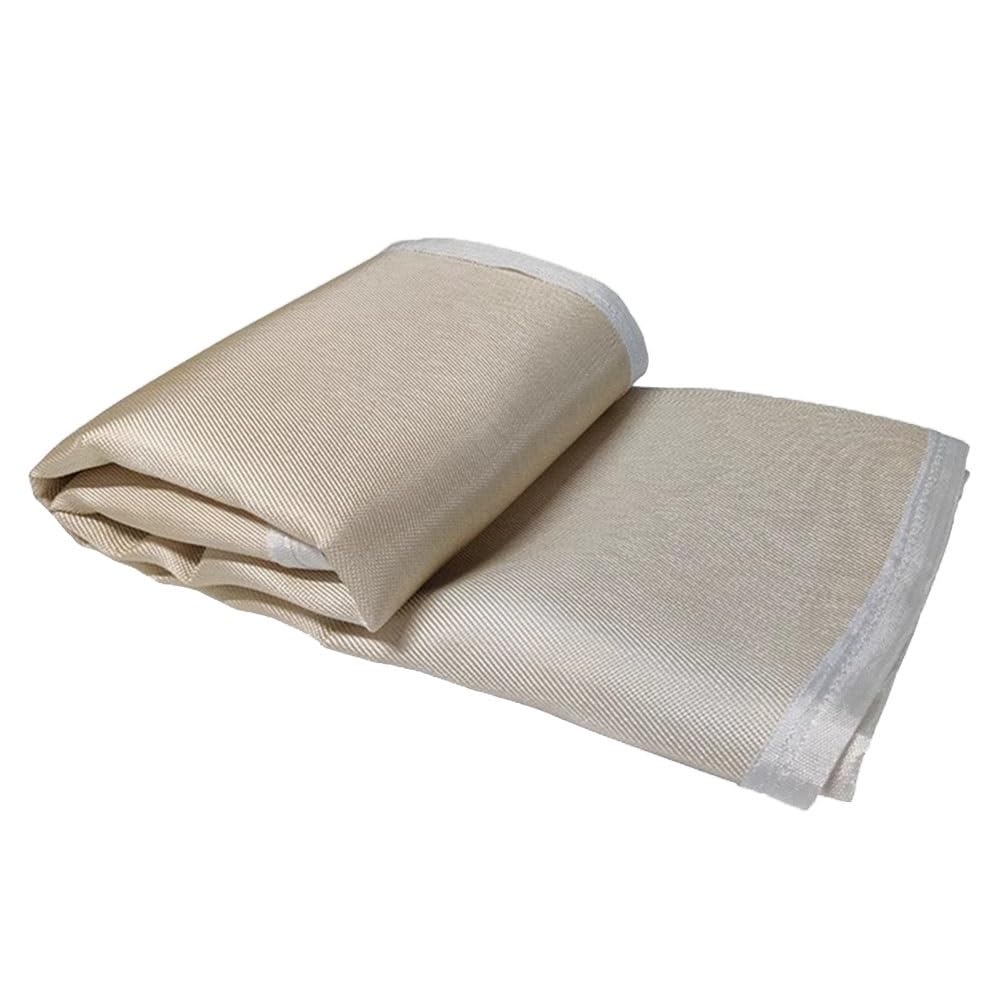
Yumuşak bir keçe yapısına dayanmak yerine, malzeme dokuma yüksek sıcaklık tekstili kullanır. Bu durum, Silika Kumaş Kaynak Battaniyesi ürününü yüksek termal maruziyetin pratik kumaş kullanımıyla birleştirilmesi gereken durumlarda özellikle uygun hale getirir.
BSTFLEX, farklı yapılarda %70 ve %96 silika kumaştan üretilen silika kaynak battaniyeleri sunar.
Büyük düz alanlar, bölmeler ve asılı koruma uygulamaları için dokuma silika kumaş pratik bir yapı sağlar.
Tipik örnekler şunları içerir:
kaynak bölmeleri
imalat atölyeleri
bakım duruşu alanları
tersaneler
çelik yapılar
enerji santralleri
endüstriyel inşaat
sıcak çalışma sınırlandırma bölgeleri
Dokuma bir battaniye, belirli ölçülerin ve tekstil dayanımının önemli olduğu daha büyük panellere ve tasarlanmış şekillere dönüştürülmesi daha kolay olabilir.
Bazı kaynak battaniyeleri tekrar tekrar açılır, yerine sürüklenir, asılır, çıkarılır, katlanır ve depolanır.
Bu durumlarda sıcaklık dayanımı, spesifikasyonun yalnızca bir parçasıdır.
Alıcı ayrıca şunları değerlendirmelidir:
çekme dayanımı
kenar yapısı
dikiş
aşınma
katlanma davranışı
yüzey aşınması
bağlantı noktaları
Bu nedenle silika kumaşın dokuma yapısı, mekanik işlemenin yoğun olduğu durumlarda önemli bir avantaj olabilir.
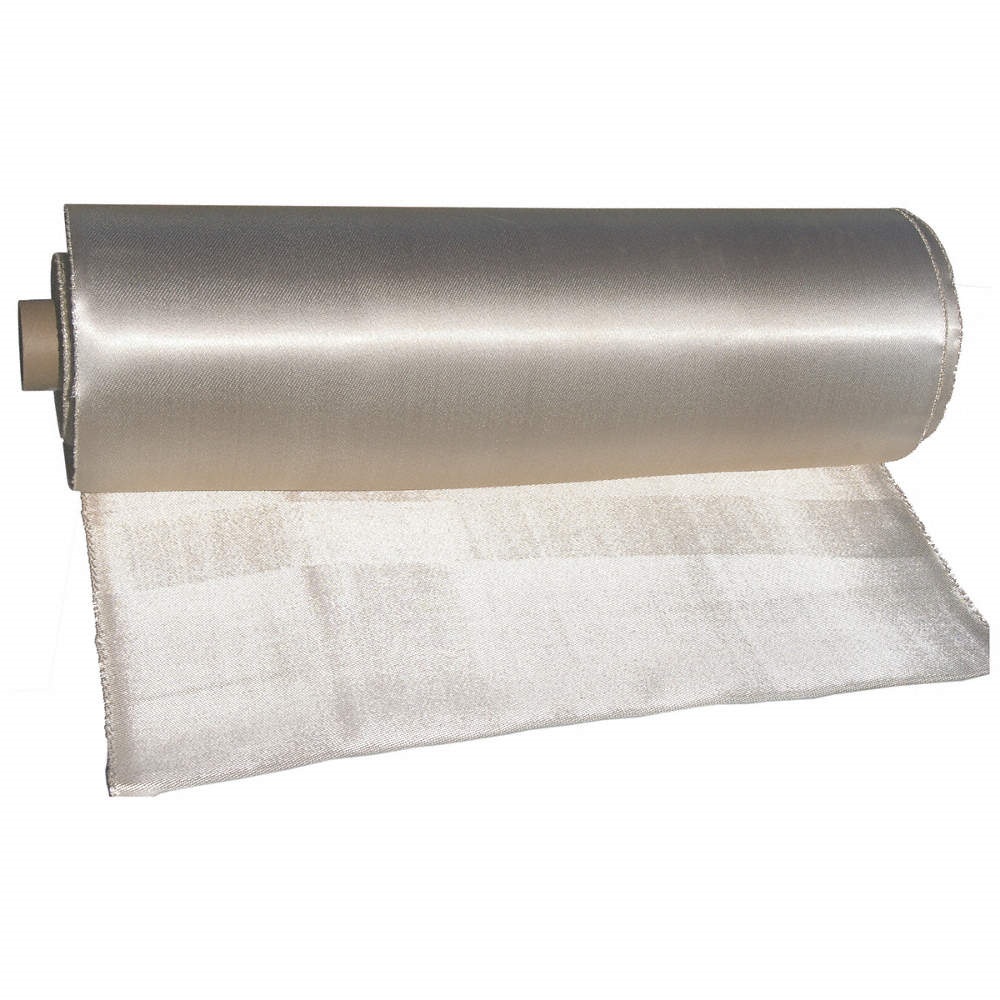
Her iki malzeme de kaynak korumasında kullanılabilir, ancak kıvılcımların yoğunluğu dikkate alınmalıdır.
İnce kaynak kıvılcımları, taşlama parçacıkları ve ara sıra oluşan sıçramalar, büyük erimiş metal damlacıklarıyla aynı yükü oluşturmaz.
Mühendis şunları belirlemelidir:
Hangi işlem gerçekleştiriliyor?
Örtü işlemden ne kadar uzakta?
Örtü yatay mı, dikey mi yoksa bir bileşenin etrafına sarılmış mı?
Erimiş malzeme örtünün yüzeyinde kalacak mı?
Maruz kalma ne kadar sürecek?
Rutin kaynak perdeleri ve geniş alanlı kıvılcım koruması için silika kumaş, dokuma yapısı nedeniyle genellikle mantıklı bir adaydır.
Örtünün temel görevinin ısıya duyarlı bir bileşeni kaynak bölgesinden yalıtmak olduğu uygulamalarda karbon keçe, yalıtım ve esneklik arasında daha iyi bir denge sunabilir.
Bu soru, birçok kaynak örtüsü karşılaştırmasının düşündürdüğünden daha dikkatli bir değerlendirme gerektirir.
"Erimiş metale dayanıklılık" tek bir malzeme özelliği değildir.
Performans şu faktörlere göre değişebilir:
metal türü
damlacık sıcaklığı
damlacık kütlesi
temas süresi
çarpma açısı
örtünün eğimi
yüzey işlemi
örtü kalınlığı
Hemen yuvarlanarak uzaklaşan küçük bir kaynak damlacığı, yatay bir örtü üzerinde biriken erimiş malzemeden çok farklı bir durum oluşturur.
Bu nedenle, şiddetli erimiş metal uygulamalarında bitmiş örtü yapısı, yalnızca genel bir fiber sıcaklığına güvenmek yerine, özel işleme göre değerlendirilmelidir.
RFQ ile birlikte bu ayrıntılar sağlandığında BSTFLEX, müşteri kaynak veya sıcak işlem koşullarına göre örtü yapısını değerlendirebilir.
Ağırlıklı olarak mekanik zorlanmadan ziyade ısı transferinin söz konusu olduğuuygulamalarda karbon keçe özellikle dikkate alınmalıdır.
Gözenekli fiber yapı, örtüden ısı iletimini sınırlamaya yardımcı olan çok sayıda boşluk içerir. Bu, karbon keçeyi sıcak bir işlem ile hassas bir bileşen arasında tampon olarak özellikle etkili hale getirebilir.
Örneğin, mevcut bir makinenin yakınında onarım kaynağı yapıldığını düşünün.
Amaç, koruyucu malzemenin arka tarafının aşırı ısınmasını önlemek olabilir.
Bu gereksinim, kıvılcımların zemine ulaşmasını önlemekten temelde farklıdır.
Karbon keçe battaniyesi, ilk sorun için güçlü bir aday olabilir.
Silika kumaş battaniyesi, ikincisi için daha güçlü bir aday olabilir.
BSTFLEX'in, battaniyeyi belirlemeden önce tehlikeyi tanımlamayı önermesinin nedeni budur.
Işınımla gelen ısı, doğrudan alev veya sıçrantı teması olmasa bile yakındaki ekipmanın sıcaklığını artırabilir.
Hem karbon keçe hem de silika kumaş, ışınımla gelen ısıya karşı koruma sisteminin bir parçası olabilir, ancak optimum yapı şunlara bağlıdır:
kaynak sıcaklığı
kaynaktan uzaklık
maruz kalma süresi
gereken soğuk yüzey sıcaklığı
hava hareketi
battaniye kalınlığı
Isıl yalıtım temel amaçsa, karbon keçe etkili ve esnek bir bariyer sağlayabilir.
Gereksinim ışınımla gelen ısıyı kıvılcımlar, aleve maruz kalma ve tekrarlı kullanımla birleştiriyorsa, silika kumaş kullanışlı bir alternatif sağlayabilir.
Çok güçlü ışınımla gelen ısı için yalnızca temel battaniye malzemesine güvenmek yerine, yansıtıcı bir dış yüzeyin de değerlendirilmesi gerekebilir.
"aşırı ısı" ifadesi, maruz kalma koşulları tanımlanmadıkça yanıltıcı olabilir.
Maksimum sıcaklık ile sürekli çalışma sıcaklığı birbirinin yerine kullanılamaz.
Bir battaniye, kalıcı sürekli çalışma koşulu olarak uygun olmayacak kısa süreli bir termal olaya dayanabilir.
Çevredeki atmosfer de önemlidir.
Karbon malzemeler, yüksek sıcaklıkta havada vakum veya inert atmosfer altındakinden farklı davranabilir. Bu nedenle özel fırın karbon keçesi için yayımlanan sıcaklık değerleri, açık bir atölyede kullanılan kaynak battaniyesine otomatik olarak uygulanmamalıdır.
Silika ürünleri de silika içeriğine, dokumaya, kaplamaya ve nihai yapıya göre farklılık gösterir.
Bu nedenle endüstriyel alıcılar, ham liflerin teorik erime noktalarını karşılaştırmak yerine bitmiş battaniyenin çalışma spesifikasyonunu kullanmalıdır.
Bu, karbon keçenin belirgin bir pratik özelliğe sahip olduğu alanlardan biridir.
Yumuşak keçe, rijit termal malzemelerle korunması zor geometrilerin etrafına yerleştirilebilir.
Uygulamalar şunları içerebilir:
boru dirsekleri
flanşlar
makine muhafazaları
araç yapıları
imalat fikstürleri
düzensiz kaynaklı montajlar
bileşenler arasındaki dar alanlar
Silika kumaş esnekliğini korur, ancak daha çok endüstriyel bir tekstil gibi davranır.
Düz koruma, perdeler ve belirli ölçülerde imal edilmiş paneller için bu bir avantaj olabilir.
Bu nedenle seçim, battaniyenin nesnenin etrafınauyum sağlaması veya çalışma alanının etrafında koruyucu bir düzlem oluşturur.
Bir kaynak battaniyesi nadiren yalnızca sıcaklık nedeniyle başarısız olur.
Gerçek atölye hasarı şu nedenlerden de kaynaklanabilir:
pürüzlü çelik üzerinde sürükleme
keskin imal edilmiş kenarlar
tekrarlanan katlama
kirlenmiş yüzeyler
taşlama kalıntıları
mekanik delinme
uygunsuz depolama
erimiş sıçrantı birikimi
Bu, özellikle yumuşak bir keçeyi dokuma bir kumaşla karşılaştırırken önemlidir.
Karbon keçe, termal ve şekle uyum sağlama avantajları uygulamayla örtüştüğünde seçilmelidir.
Dokuma tekstil özellikleri tekrarlanan endüstriyel kullanım için önemli olduğunda silika kumaş dikkate alınmalıdır.
Her iki malzeme de yalnızca maksimum sıcaklığı tek satın alma özelliği olarak kullanarak seçilmemelidir.
Araç kaynağı ve onarımı sıklıkla kablolara, hortumlara, iç bileşenlere ve bitmiş yüzeylere yakın gerçekleşir.
Karbon keçe, hafif bir battaniyenin bu bileşenlerin etrafına uyması gerektiğinde cazip olabilir.
Silika battaniyeler, daha büyük kaynak istasyonları ve üretim alanı koruması için etkili olabilir.
Tersaneler, genellikle geniş yüzeylerde kapsamlı kesme, kaynak ve taşlama işlemleri içerir.
Dokuma silika kaynak battaniyeleri, sıcak çalışma alanlarını ayırmak, kıvılcımları yakalamak ve çevredeki yapıları korumak için uygun olabilir.
Karbon keçe, hassas bileşenler çevresinde yerel termal yalıtım için seçilebilir.
Türbinler, borular, vanalar ve proses ekipmanları çevresindeki bakım çalışmaları genellikle karmaşık geometriler sunar.
Karbon keçe yerel yalıtım sağlayabilirken, silika battaniyeler çevredeki yapıları kaplayabilir veya daha büyük sıcak çalışma bariyerleri oluşturabilir.
İmalat atölyeleri her iki malzemeye de ihtiyaç duyabilir.
Bir battaniye kaynak istasyonunun yanındaki makineleri korurken, diğeri altındaki zemini kaplayabilir.
Her iki konum için de aynı malzemeyi kullanmak mutlaka en verimli çözüm değildir.
Kararı vermek için ürün adı yerine uygulamayı kullanın.
termal yalıtım birincil gereksinim olduğunda
düşük battaniye ağırlığı istendiğinde
karmaşık şekillerin sarılması gerektiğinde
hassas bileşenler sıcak çalışma alanına yakındır
esneklik özellikle önemlidir
yerel ısı koruması gereklidir
büyük koruyucu yüzeyler gereklidir
dokuma battaniye yapısı tercih edilir
battaniye tekrar tekrar kurulup sökülecektir
kaynak perdeleri veya asılı koruma gereklidir
kıvılcımlar ve sıcak çalışma kalıntıları önemli endişelerdir
boyutsal tekstil yapısı önemlidir
Bazı endüstriyel kurulumlarda, en etkili çözüm aynı sıcak çalışma işlemi çevresindeki farklı konumlar için her iki malzemeyi de kullanabilir.
Yalnızca "yüksek sıcaklık kaynak battaniyesi" ifadesini içeren bir talep, doğru malzeme seçimi için çok az bilgi sağlar.
Teknik açıdan faydalı bir öneri için şunları sağlayın:
kaynak veya sıcak çalışma işlemi
beklenen çalışma sıcaklığı
maksimum ısı maruziyeti
sürekli veya aralıklı maruziyet
radyant ısı veya doğrudan temas
kıvılcım varlığı
erimiş metal varlığı
battaniye yönelimi
gerekli boyutlar
gerekli kalınlık
miktar
yeniden kullanılabilir veya geçici kurulum
mevcut olduğunda çizim veya uygulama fotoğrafı
Bu bilgilerle BSTFLEX, bir Karbon Fiber Keçe Kaynak Battaniyesi, Silika Kumaş Kaynak Battaniyesiveya başka bir yüksek sıcaklık battaniyesi yapısının proje için daha uygun olup olmadığını belirleyebilir.
Karbon keçenin her zaman silikadan daha iyi olduğunu veya silikanın her zaman karbon keçeden daha iyi olduğunu söyleyen teknik açıdan sorumlu bir yanıt yoktur.
Karbon keçe, hafif yalıtım, şekil alabilirlik ve yerel termal izolasyon gereken durumlarda özellikle güçlüdür.
Silika kumaş, aşırı sıcaklık korumasının dokuma endüstriyel tekstilin pratik özellikleriyle birleştirilmesi gereken durumlarda özellikle güçlüdür.
Aşırı ısı kaynak koruması için doğru seçim; ısı kaynağına, süreye, battaniye yönelimine, mekanik maruziyete ve korunması gereken yüzeye veya ekipmana göre yapılmalıdır.
BSTFLEX, endüstriyel sıcak çalışma uygulamalarının tümü aynı termal tehlikeyi oluşturmadığı için birden fazla yüksek sıcaklık koruma malzemesi üretmektedir.
Malzeme seçimi, özel boyutlar veya OEM gereksinimleri için değerlendirme amacıyla BSTFLEX'e uygulama sıcaklığını, çalışma koşullarını, battaniye boyutlarını ve gerekli miktarı gönderin.
Kaynak keçesi evrensel olarak silikadan daha iyi değildir. Karbon keçesi özellikle ısı yalıtımı, düşük ağırlık ve şekle uyumun önemli olduğu durumlar için uygundur. Silika kumaş ise dokuma bir yapı, geniş alan koruması ve tekrarlı kullanım gerektiğinde genellikle avantajlıdır.
En iyi kaynak battaniyesi, ısıya maruz kalma türüne bağlıdır. Karbon keçesi, ısıya duyarlı bileşenlerin çevresinde lokal yalıtım için oldukça etkili olabilirken, silika kumaş yüksek sıcaklık direnci ile dokuma tekstil dayanıklılığının birlikte gerektiği yerlerde yaygın olarak kullanılır.
BSTFLEX'in Karbon Fiber Keçe Kaynak Battaniyesi, 1800°F / 980°C'ye kadar sıcaklıklar için belirtilmiştir. Gerçek uygunluk değerlendirilirken maruz kalma süresi, ısı akısı, doğrudan temas ve çalışma ortamı da dikkate alınmalıdır.
Evet, silika kumaşlar özellikle yüksek sıcaklıklı endüstriyel koruma için kullanılır. Gerçek sürekli çalışma sıcaklığı; silika içeriğine, kaplamaya, kumaş yapısına ve bitmiş battaniye özelliklerine bağlıdır.
Karbon keçesi, özellikle ısı yalıtımının önemli olduğu durumlarda, kaynak ve sıcak çalışma korumasının bir parçası olarak kullanılabilir. Battaniye seçilmeden önce kıvılcım veya erimiş metal sıçramasına maruz kalmanın şiddeti, boyutu ve süresi dikkate alınmalıdır.
Evet. BSTFLEX, boyutlar, malzeme, kalınlık, çalışma sıcaklığı ve uygulama koşullarına göre özel kaynak battaniyesi gereksinimlerini değerlendirebilir. Alıcılar teklif talep ederken gerçek sıcak çalışma ortamı hakkında mümkün olduğunca fazla bilgi sağlamalıdır.

 English
 français
 Deutsch
 русский
 italiano
 español
 português
 Nederlands
 العربية
 日本語
日本語 한국의
한국의 Polski
 Tiếng Việt
 slovenský
 Indonesia