English
 français
 Deutsch
 русский
 italiano
 español
 português
 Nederlands
 العربية
 日本語
 한국의
 Polski
 Tiếng Việt
 slovenský
 Indonesia



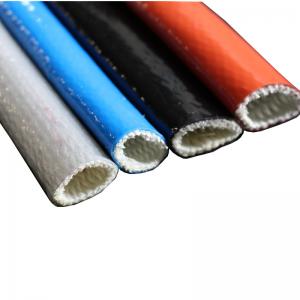
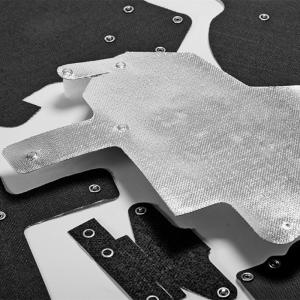
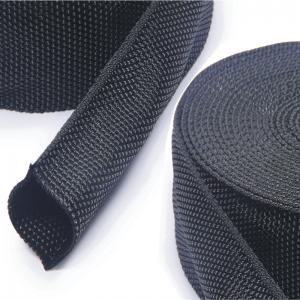
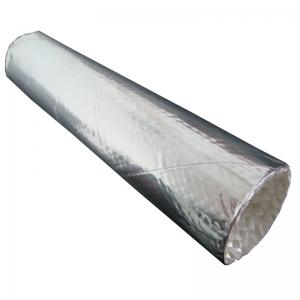
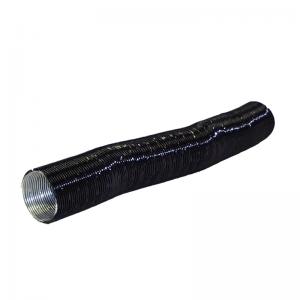
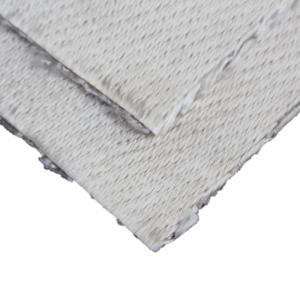
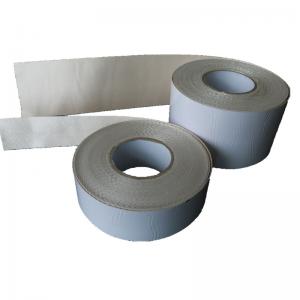
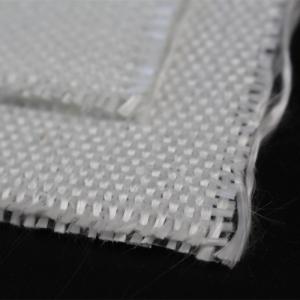
Tadpole gaskets for pollution control systems provide a compressible bulb and a flat mounting tail for suitably designed doors, inspection panels and removable covers. The bulb contacts the mating surface, while the tail secures the profile to the equipment. Selection depends on the joint geometry, local temperature, process exposure and required sealing performance.
A thermal oxidizer access door, an exhaust silencer panel and a hot-gas duct flange are not interchangeable applications. Each can present a different combination of pressure, movement, contamination and closing force. A gasket selected for one location should not automatically be transferred to another.
BSTFLEX supplies tadpole gaskets and high-temperature tadpole seals with different textile covers, internal cores and custom profiles. Drawings, equipment measurements and existing samples provide the starting point for OEM development and replacement projects.
Where Tadpole Gaskets Can Be Considered
Thermal Oxidizers and Regenerative Thermal Oxidizers
A thermal oxidizer gasket may be specified for an access door, inspection opening or removable casing panel when the joint is designed for a bulb-and-tail seal. For a regenerative thermal oxidizer, record the actual conditions at the proposed gasket location rather than treating the combustion-zone temperature as the seal temperature.
An RTO access door gasket specification should distinguish normal operation, startup, shutdown and temperature excursions. Identify whether the profile contacts heated metal, faces radiant heat or is exposed to process gas. Changing the access-door seal does not qualify it for an internal switching valve or another sealing mechanism.
Fume Incinerators and Catalytic Oxidizers
For a fume incinerator gasket or catalytic oxidizer access-panel seal, describe the process stream and the position of the joint. A panel near a burner or heated casing may need a different construction from one on a cooler external enclosure.
Provide known gas constituents, moisture, deposits and cleaning chemicals. A general description such as “chemical resistant” is not enough to select the cover, coating or core.
Dust Collectors, Baghouses and Filter Housings
A baghouse access door gasket or dust collector door gasket requires review of the retaining arrangement, contact surface, pressure differential and particulate exposure. Do not assume that every filter housing uses a tadpole profile.
Where the geometry supports this construction, consider how dust accumulates around the bulb and how maintenance personnel remove the panel. Cleaning and repeated handling can affect the cover as well as the mounting tail.
Exhaust Silencers and Turbine Silencer Enclosures
An exhaust silencer gasket may serve a removable access cover or casing panel. Check local exhaust exposure, vibration, panel movement and clamping force before choosing the profile.
A turbine silencer access-panel seal is not automatically equivalent to a gasket at a pressure-loaded exhaust flange. The joint function and acceptance requirements must remain part of the specification.
Power-Generation Exhaust and Plenum Panels
A power generation exhaust gasket or exhaust plenum gasket may need to accommodate variation around a large access opening. Record the cold gap, expected operating movement and available retaining space.
Where a connection must accommodate substantial duct movement, review the expansion-joint design separately. A flexible tadpole gasket is not a substitute for a movement-rated expansion joint.
Pulp-and-Paper Hatches and Process Covers
A pulp and paper hatch gasket can face a different environment from a dry exhaust-panel seal. Include moisture, deposits, cleaning methods and shutdown conditions in the review. The equipment name alone does not establish material compatibility.
Confirm That the Joint Supports a Bulb-and-Tail Profile
Before comparing fabrics, confirm that the bulb has a continuous mating surface and the tail has a defined retention area. The installed assembly must allow compression without cutting, pinching or displacing the profile.
| Joint condition | Design question |
|---|---|
| Door or removable access cover | Does the door close against a supported sealing land, and can the tail remain secured during opening? |
| Hot-gas duct flange | Is the flange designed for a tadpole profile, or does it require a flat, metallic or another specified gasket? |
| Uneven perimeter gap | Can one profile maintain contact at the widest point without excessive compression at the tightest point? |
| Moving connection | Is the expected movement within the approved gasket design, or is a separate expansion joint required? |
| Containment-critical opening | What leakage limit and equipment-level validation must the complete joint satisfy? |
Five Operating Conditions to Include in the Specification
Temperature at the Gasket Location
Provide continuous temperature, peak temperature and peak duration. Identify the measurement location and distinguish measured values from estimates. Also describe direct gas exposure, radiant heating and contact with hot metal.
Review the complete assembly: fabric, coating, core, sewing thread and any auxiliary materials. A higher-temperature core does not remove the service limits of the outer cover or stitching.
Process Chemistry and Shutdown Condensate
For an industrial exhaust duct gasket, include known gas constituents, concentration ranges, moisture and cleaning agents. State whether condensate or deposits contact the seal during shutdown.
Compatibility must be assessed for the actual materials and conditions. Do not treat a coated fabric as a continuous impermeable barrier without relevant evidence; seams, edges and wear remain part of the finished construction.
Dust and Mechanical Wear
Record abrasive deposits, sliding contact and damage around retaining edges. Examine where the cover rubs as the door moves, not just where it rests when closed.
External reinforcement may be considered for an exposed textile surface, but it does not eliminate the need to correct sharp edges, misalignment or excessive movement.
Pressure Differential and Allowable Leakage
Specify pressure on both sides of the joint, normal pressure differential and relevant transient conditions. Under positive pressure, leakage may escape outward; under negative pressure, air may enter. Both directions can matter to the equipment.
A textile tadpole gasket should not be assumed to be gas-tight, pressure-rated or emissions-certified. Where hazardous process streams or defined containment requirements apply, the responsible equipment engineer must establish acceptance criteria for the complete joint.
Opening Frequency and Retention
State how often the door opens and whether the gasket experiences vibration or sliding. Check that the retaining method secures the tail without restricting bulb deformation.
For repeated maintenance access, consider inspection, removal and replacement as part of the design rather than treating the gasket as a permanently undisturbed component.
Cover Materials and Existing BSTFLEX Constructions
The following products provide material-and-core references. They are not blanket approvals for every thermal oxidizer, incinerator or exhaust system. Final suitability requires review of the actual joint and operating conditions.
Fiberglass Covers
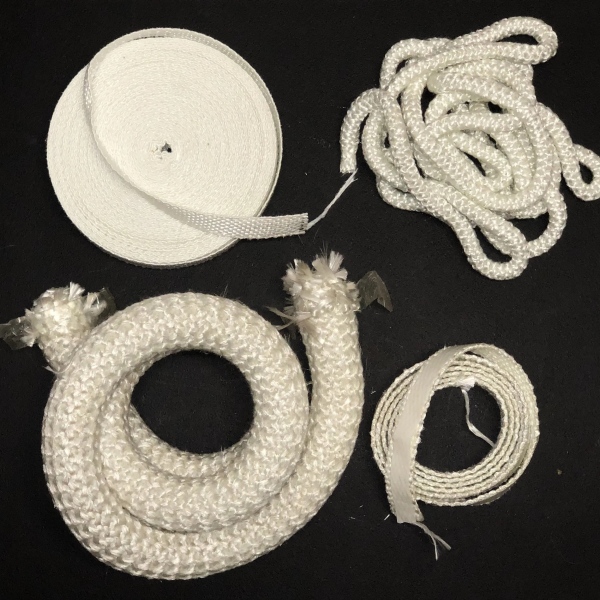
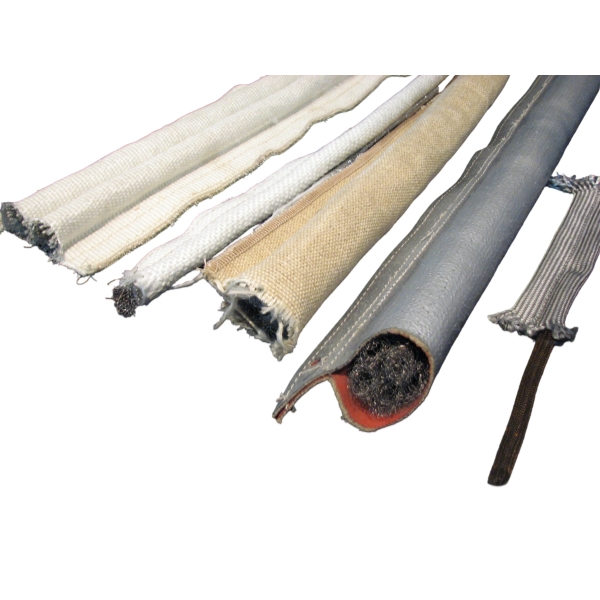
A fiberglass cover can be evaluated where the complete construction meets the required thermal and environmental conditions. BSTFLEX offers a fiberglass cover with fiberglass core for a fiber-based bulb and a fiberglass cover with stainless steel core for internal metallic support.
The fiberglass cover with hollow stainless steel core provides a separate core geometry. Compare the proposed finished profiles at the required installed height; do not assume identical compression from matching outside dimensions.
Silica Cloth Covers
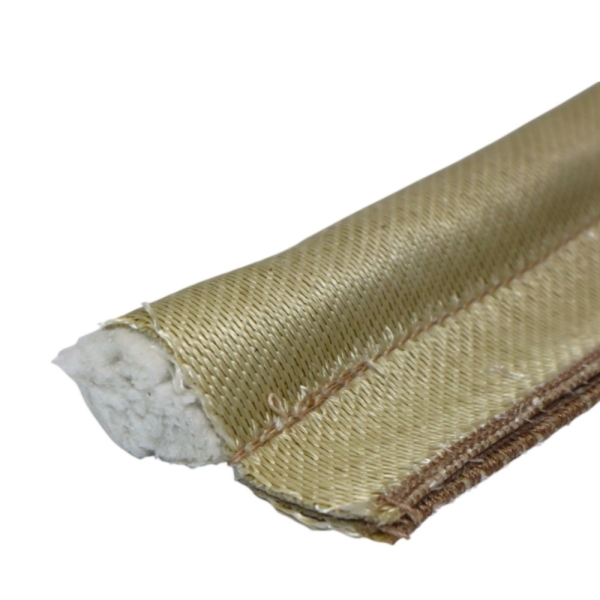
Where a silica textile is specified, distinguish the core requirement. The silica cloth cover with Inconel core combines the textile with metallic reinforcement.
The silica cloth cover with ceramic core provides another internal construction. Evaluate the cover, core and stitching together rather than assigning the raw fabric's temperature capability to the complete gasket.
Ceramic Fabric Covers
For a ceramic textile specification, BSTFLEX provides a ceramic fabric cover with ceramic core and a ceramic fabric cover with Inconel core.
The distinction is internal construction, not an automatic ranking of sealing quality. Confirm the fiber type, any reinforcement, core details and applicable material-handling information before approving the assembly.
External Metallic Stocking
The Inconel stocking, ceramic fabric cover and ceramic core gasket adds an external metallic layer. It is a construction to evaluate where surface contact is an important part of the requirement.
External stocking and an internal metal core perform different roles. Specifying one does not automatically specify the other.
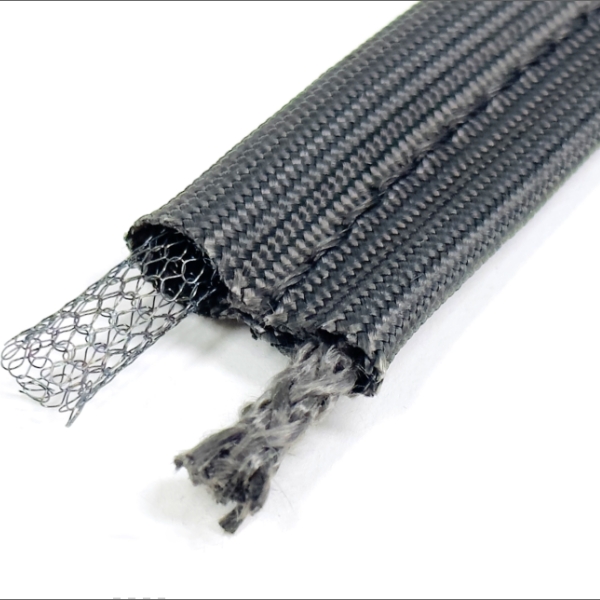
Basalt Fabric with Wire Mesh Core
The basalt fabric cover with wire mesh core combines a woven mineral-fiber cover with metallic internal support. Confirm the wire alloy and complete material specification rather than assuming that every wire mesh core is stainless steel or a nickel alloy.
Select the Core by Compression Behavior
Core material, geometry, density and cover construction all influence how a bulb compresses. Material names alone do not establish closing force or recovery.
| Core | Specification focus | Evaluation question |
|---|---|---|
| Fiberglass core | Fiber construction, density and finished bulb dimensions | Does the assembly provide the required deformation and recovery? |
| Ceramic core | Fiber type, construction and any reinforcement | Does the proposed core meet both thermal and compression requirements? |
| Stainless steel core | Alloy and actual wire or mesh geometry | What load is required at the installed height? |
| Hollow metallic core | Open-center geometry and supporting wire construction | What compression travel is acceptable without permanent collapse? |
| Inconel core | Specified alloy, core geometry and operating exposure | Does the complete construction meet the required thermal and mechanical conditions? |
Hollow core does not necessarily mean an unsupported empty fabric bulb. Likewise, solid mesh describes a mesh construction, not a solid metal rod. Identify the actual geometry when ordering.
Use the Failure Pattern to Guide Replacement
Record the damage before discarding the old seal. These observations can guide an investigation, but none proves a single cause by itself.
| Observed condition | Checks to make |
|---|---|
| Permanently flattened bulb | Installed gap, closing load, core construction and service exposure |
| Frayed or cut cover | Sharp hardware, sliding contact, deposits and panel alignment |
| Tail pulled from its retainer | Tail engagement, clamp condition, fastener position and movement |
| Localized heat damage | Possible bypass paths, hot spots and the condition of adjacent surfaces |
| Damage concentrated at corners | Bend geometry, profile orientation, retention and joint construction |
| Deterioration after shutdown | Condensate, deposits, cleaning exposure and material compatibility |
Measure a Replacement Access-Panel Gasket
Have authorized personnel make the equipment safe before inspection or removal, following the OEM instructions and site procedures. Address hazardous energy, heat, pressure, process residues and unsupported doors or covers. Unknown contamination and fiber materials require appropriate handling review.
Record the free bulb height and width where they can be established, both tail dimensions and the overall profile width. Label dimensions taken from a worn gasket as used-condition measurements. Do not treat a permanently flattened bulb as the original new size.
Measure the intended closed gap at several positions around the contact line. Keep the minimum and maximum values with their locations; an average can conceal excessive compression on one side and insufficient contact on another.
For cut lengths or a fabricated frame, identify the measurement datum, corners, orientation and closing joint. Use the tadpole gasket replacement measurement guide to organize the drawing and sample information.
Prototype Approval for OEM and Material Changes
A dimensional match is only the first check. Mount a representative sample with the intended hardware and verify bulb position, tail retention, corner fit and normal closure.
Agree how compression, recovery, thermal exposure and leakage will be evaluated. Where a core or cover changes, assess the new assembly rather than assuming equivalence to the previous material. Do not establish a universal compression percentage from the product name.
Retain the approved drawing, material specification and sample reference for repeat orders. Any production inspection or performance documentation should be agreed for the project; do not assume that every gasket carries the same certification or test scope.
RFQ Checklist for Pollution-Control Equipment Gaskets
| RFQ item | Information to provide |
|---|---|
| Equipment and joint | Thermal oxidizer, incinerator, silencer, duct, plenum or access cover; identify the exact location. |
| Profile | Bulb height and width, tail dimensions, overall width and mounting arrangement. |
| Gap and closing load | Minimum and maximum closed gap, latch or clamp arrangement, and available load information. |
| Materials | Known cover, coating, core, alloy and stitching requirements. Mark unknown items clearly. |
| Temperature | Continuous and peak temperatures at the gasket location, including peak duration. |
| Process exposure | Gas composition, moisture, deposits, condensate and cleaning conditions. |
| Pressure and leakage | Pressure differential, transients, required leakage performance and acceptance method. |
| Movement and service | Vibration, sliding, thermal movement and opening frequency. |
| Supply format | Cut lengths or finished frame, corner and joint requirements, sample quantity and production quantity. |
| Reference information | Drawings, photographs, original part reference, sample condition and reason for replacement. |
Frequently Asked Questions
Can a tadpole gasket be used on a thermal oxidizer access door?
It can be evaluated when the door provides a suitable bulb contact surface and tail-retention arrangement. Selection must address local temperature, process exposure, pressure differential, closure load and the equipment's sealing requirements.
Is a high-temperature tadpole gasket automatically gas-tight?
No. Heat resistance does not establish gas-tightness, pressure capability or emissions compliance. The complete joint needs an agreed leakage requirement and appropriate validation.
Should the chamber temperature be used as the gasket temperature?
Not automatically. Specify the temperature and exposure at the actual sealing location. Provide the chamber conditions as additional context and identify whether seal temperatures are measured or estimated.
Can stainless steel and Inconel cores be interchanged?
Not without review. Alloy, core geometry, compression response and service exposure can differ. Evaluate a core change as a change to the finished gasket assembly.
Can a tadpole gasket replace a duct expansion joint?
Not as a general substitution. A tadpole gasket provides a sealing profile for a suitable joint; an expansion joint has separate movement and system requirements.
Can BSTFLEX develop a replacement from an old sample?
Yes. Provide the sample together with joint measurements, operating conditions and any original specification. Worn dimensions and appearance alone do not confirm the original material or new profile size.
Request a Custom Pollution-Control Gasket
BSTFLEX supplies custom tadpole seals for OEM and industrial replacement projects. Review the custom tadpole gasket manufacturing options and provide the joint drawing, required profile, operating conditions and quantity.
For a thermal oxidizer gasket, exhaust silencer access seal or hot gas duct gasket, identify the exact sealing location rather than requesting a construction from the equipment name alone. The proposal should define the cover, core, dimensions and required validation together.
Send BSTFLEX your gasket drawing and service conditions for a quotation.